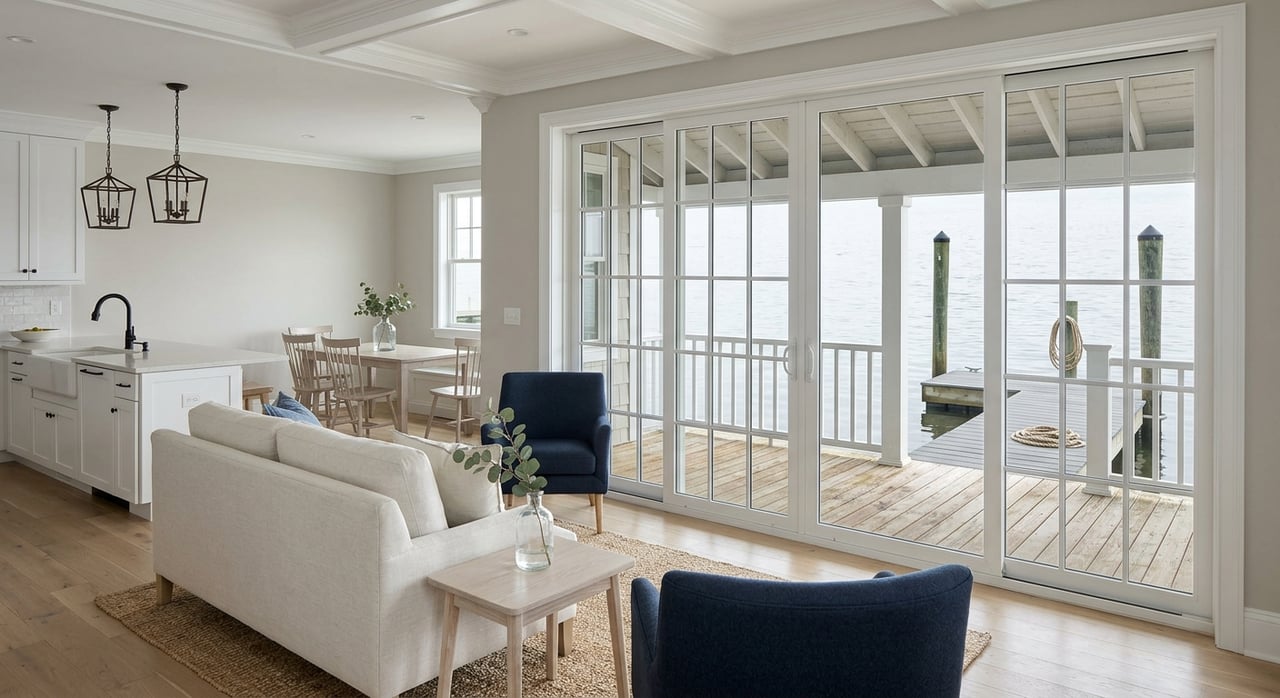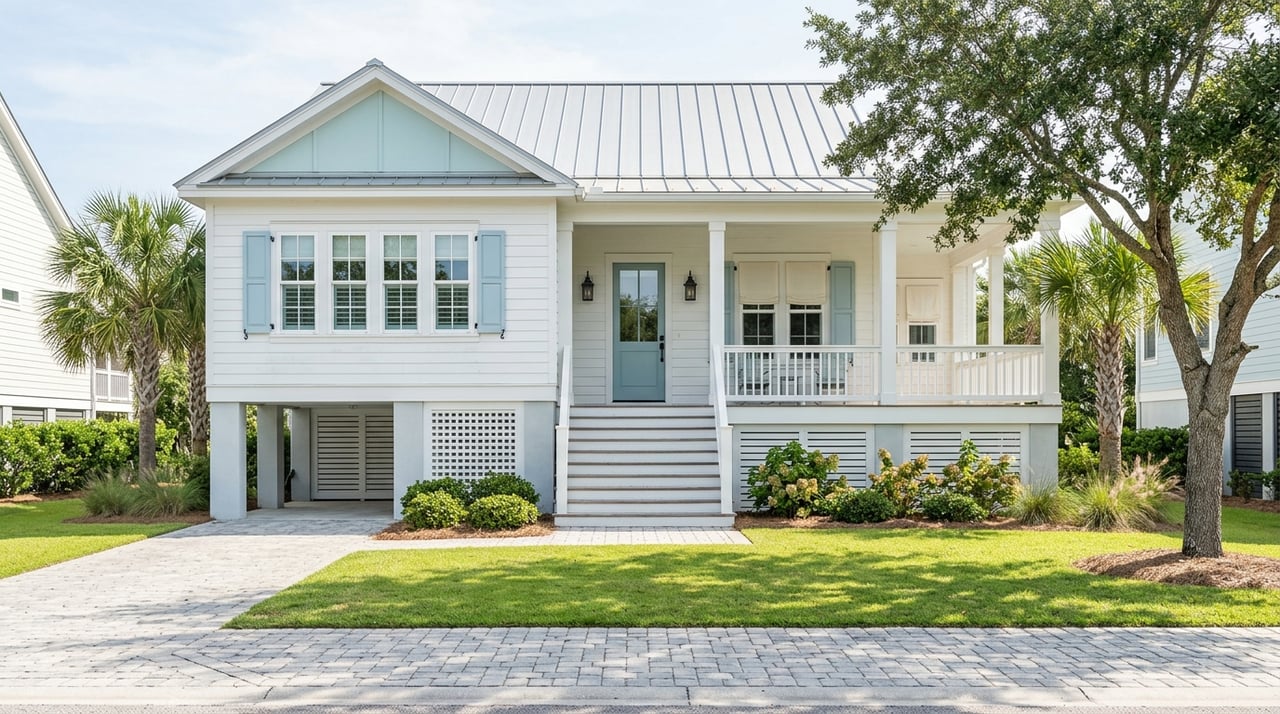
Thinking about buying a place in Atlantic Beach and offsetting costs with vacation rental income? You are not alone. This part of the Crystal Coast has strong visitor appeal, but the first step is not picking paint colors or counting summer bookings. It is making sure the property can legally and practically work for your goals. In this guide, you will learn what makes Atlantic Beach attractive to guests, which rules matter most, and what to verify before you buy. Let’s dive in.
Why Atlantic Beach draws vacation demand
Atlantic Beach has the kind of setting many coastal buyers want. It sits on a barrier island between the Atlantic Ocean and Bogue Sound, and the town promotes its beachfront stays, beach access points, and visitor-friendly attractions like the Circle and Fort Macon State Park.
That matters because guest appeal is tied to the full beach experience, not just the home itself. Easy beach access, nearby parking, and access to public amenities can shape how convenient a stay feels for visitors.
Tourism also plays a major role in the wider Carteret County economy. Visit NC reports $743.38 million in visitor spending in Carteret County in 2024, including $200.12 million in lodging and 3,819 tourism-related jobs. For you as a buyer, that signals a market with real visitor activity, not just seasonal buzz.
Start with zoning first
If you are exploring vacation rental property in Atlantic Beach, zoning should be your first checkpoint. In an official notice posted on November 10, 2025, the Town of Atlantic Beach stated that short-term rentals of residential property for periods of less than 90 consecutive days are prohibited in all residential zones.
This is a big deal for buyers. A house or condo may look like a perfect weekly rental, but if it is in a residential zone, that use may not be allowed.
The town’s Unified Development Ordinance also separates visitor accommodations from ordinary residential uses. It includes specific standards for lodging uses such as hotels, motels, inns, and condotels. In other words, rental potential depends on the property’s zoning and use classification, not your intent as an owner.
Why this matters before you make an offer
You do not want to underwrite your purchase around nightly or weekly income unless the property’s use actually supports it. A good-looking property in the wrong zone can change your numbers fast.
Before you move forward, confirm how the property is classified and what rental durations are allowed. This step can help you avoid costly surprises after closing.
Expect a seasonal market
Atlantic Beach has year-round appeal, but official town operations point to a strong warm-weather pattern. The town runs paid public parking at several beach accesses from April 1 through September 30, and its parking page notes that the summer population approaches 50,000.
Beach services also ramp up during peak season. The town’s lifeguard program runs from Memorial Day to mid-August, and Fort Macon’s bathhouse and lifeguards generally operate from Memorial Day through Labor Day.
While this is not the same as a published occupancy report, it is a reasonable sign that demand tends to be strongest in spring and summer, with added traffic around holiday periods. If you are planning around rental income, it helps to think in terms of seasonal cash flow rather than flat year-round demand.
Location factors guests notice
In Atlantic Beach, location means more than an ocean view. Convenience plays a big role in how guests choose where to stay.
The Circle beach access offers more than 300 parking spaces, along with restrooms, picnic tables, and outdoor showers. The town also highlights other access options, including Tom Doe Memorial Beach Access, the Les and Sally Moore access, Fort Macon State Park, and roughly 20 public beach access walkways along the strand.
For you as a buyer, that suggests a few practical value drivers:
- Walkability to the beach
- Proximity to major access points
- Parking availability
- Ease of getting to public amenities
- Overall convenience for a short coastal stay
A beautifully updated property can still face headwinds if access is less convenient than buyers or guests expect. In a beach market, the path to the sand matters.
Know the tax picture
If a property is used for lodging, taxes are part of the planning process. Carteret County levies a 6% occupancy tax on gross receipts from lodging, including houses or rooms rented through platforms such as Airbnb and VRBO.
That occupancy tax is separate from sales tax. Carteret County’s general sales and use tax rate is 6.75%, and the county states that the occupancy tax is in addition to applicable state and local sales tax.
The county also says occupancy tax is due by the 20th day of the month following accrual. If you are comparing ownership scenarios, this is one more reason to understand who will collect, track, and remit taxes before you count on projected income.
Budget for real operating costs
Vacation property expenses usually reach beyond the mortgage payment. Common rental expense categories can include cleaning and maintenance, commissions, insurance, management fees, repairs, taxes, and utilities.
That is especially important if you plan to enjoy the property yourself for part of the year. When personal use and rental use overlap, expenses may need to be allocated between those uses.
For many second-home buyers, the real question is not just whether the property can generate revenue. It is whether the numbers still work after the full cost of ownership is on the table.
Coastal insurance needs extra attention
Insurance is one area where coastal buyers should slow down and ask detailed questions. FEMA and the North Carolina Department of Insurance state that homeowners policies typically do not cover flood damage, and flood insurance is generally a separate policy.
Lenders may also require flood coverage in flood-prone areas. FEMA further notes that National Flood Insurance Program policies generally have a 30-day waiting period, so it is wise not to treat flood coverage as a last-minute item.
When you evaluate a property, make room in your due diligence for flood, wind, and hurricane-related insurance questions. On the coast, that is a core part of affordability.
Management is part of the plan
Even a well-located property needs day-to-day structure. Guests need communication, check-ins, clean turnovers, supplies, and quick responses when something goes wrong.
Professional management is already part of the Atlantic Beach market. The town’s official stay page lists multiple vacation rental agencies, which reflects how common managed lodging is in the area.
North Carolina real estate guidance also makes clear that certain activities require proper authority and licensing. NCREC says unlicensed co-hosts may help with tasks like keys, cleaning, supplies, guest contact, and minor repairs, but they may not advertise, negotiate rents, or handle money. It also states that a property management agreement must be fully executed before management services are provided.
For you, that means management is not just a convenience item. It can be a key part of staying organized and compliant, especially if you live out of town.
Review bookings before closing
If you buy a property that already has vacation rental reservations, those bookings can affect your transaction. North Carolina’s Vacation Rental Act creates a framework for rentals of fewer than 90 days for guests who have a permanent residence elsewhere.
NCREC explains that when a property with vacation rental bookings is sold, reservations ending within 180 days after recording are material facts. Sellers and buyers may have specific disclosure and transfer duties tied to those bookings.
That makes the booking calendar an important due-diligence item. Before closing, you should know whether future reservations exist, whether advance rents or deposits are being held, and how those obligations will transfer.
Ask these questions before you buy
The safest approach is to treat Atlantic Beach as a location-sensitive, rule-aware market. Strong guest appeal does not replace the need for careful verification.
Here are some smart questions to ask early:
- Is the property in a residential zone where under-90-day rentals are prohibited?
- If not, what zoning or use classification applies?
- Do the HOA or condo documents limit rental duration, parking, pets, or guest use?
- Are there existing reservations that must be honored after closing?
- Who is holding advance rents or deposits, if any?
- What lodging taxes will apply, and who will remit them?
- What insurance does the property need, including flood coverage?
- Who will handle guest communication, turnovers, supplies, and minor repairs if you are away?
These questions can help you separate a property that looks promising from one that truly fits your plan.
A smart way to approach Atlantic Beach rentals
Atlantic Beach can be an appealing place to buy a second home, rental asset, or coastal getaway. The visitor draw is real, and the broader tourism economy in Carteret County is substantial.
At the same time, the path to a successful purchase starts with clarity. Zoning, use classification, HOA rules, taxes, insurance, bookings, and management all matter before you rely on rental income.
If you want a property that works for both lifestyle and long-term decision-making, a careful, local-first process matters. The team at Low Tide Living NC Team can help you evaluate Atlantic Beach properties with your goals, timeline, and coastal ownership questions in mind.
FAQs
Can you use any Atlantic Beach home as a vacation rental?
- No. The Town of Atlantic Beach has stated that short-term rentals of residential property for less than 90 consecutive days are prohibited in all residential zones, so you need to verify zoning and use classification first.
Why does zoning matter for Atlantic Beach vacation rentals?
- Zoning determines whether a property can legally be used for short-term lodging. A home that seems ideal for guests may still be restricted based on its district or classification.
What taxes apply to vacation rentals in Carteret County?
- Carteret County says lodging is subject to a 6% occupancy tax, and that tax is in addition to applicable state and local sales tax, which is currently 6.75% in the county.
What should buyers review if a vacation rental already has bookings?
- You should review the reservation calendar, any advance rents or deposits, and how existing bookings will transfer, because bookings ending within 180 days after recording can be material facts in a sale.
What location features matter most for Atlantic Beach guests?
- Beach access, walkability, parking availability, and proximity to public amenities are likely to matter because they shape the overall guest experience.
Do Atlantic Beach vacation rental owners need property management?
- Not always, but many owners benefit from it. Management can help with guest communication, turnovers, supplies, and operational consistency, especially if you do not live nearby.